
Why Magnesium is Important for All Athletes
Why Magnesium is Important
What foods should you eat?
What is Magnesium?
Magnesium is an essential mineral found in the muscles and soft tissues. It is one of the electrolytes and is lost in small quantities through your sweat. It plays a role in preventing bone loss and is an important component for proper bone health. It is also required for energy production and therefore may help improve strength, power, and endurance performance. Due to sweat losses, athletes are likely magnesium deficient, and supplementation can help to compensate.
How much do I need?
It is recommended that women consume 310-320mg and men consume 400-420mg of magnesium per day. It is best to obtain these amounts through food, but if you are deficient or in a heavy training period, it is safe to supplement up to 350mg per day.
What are good sources of magnesium?
Pumpkin seeds
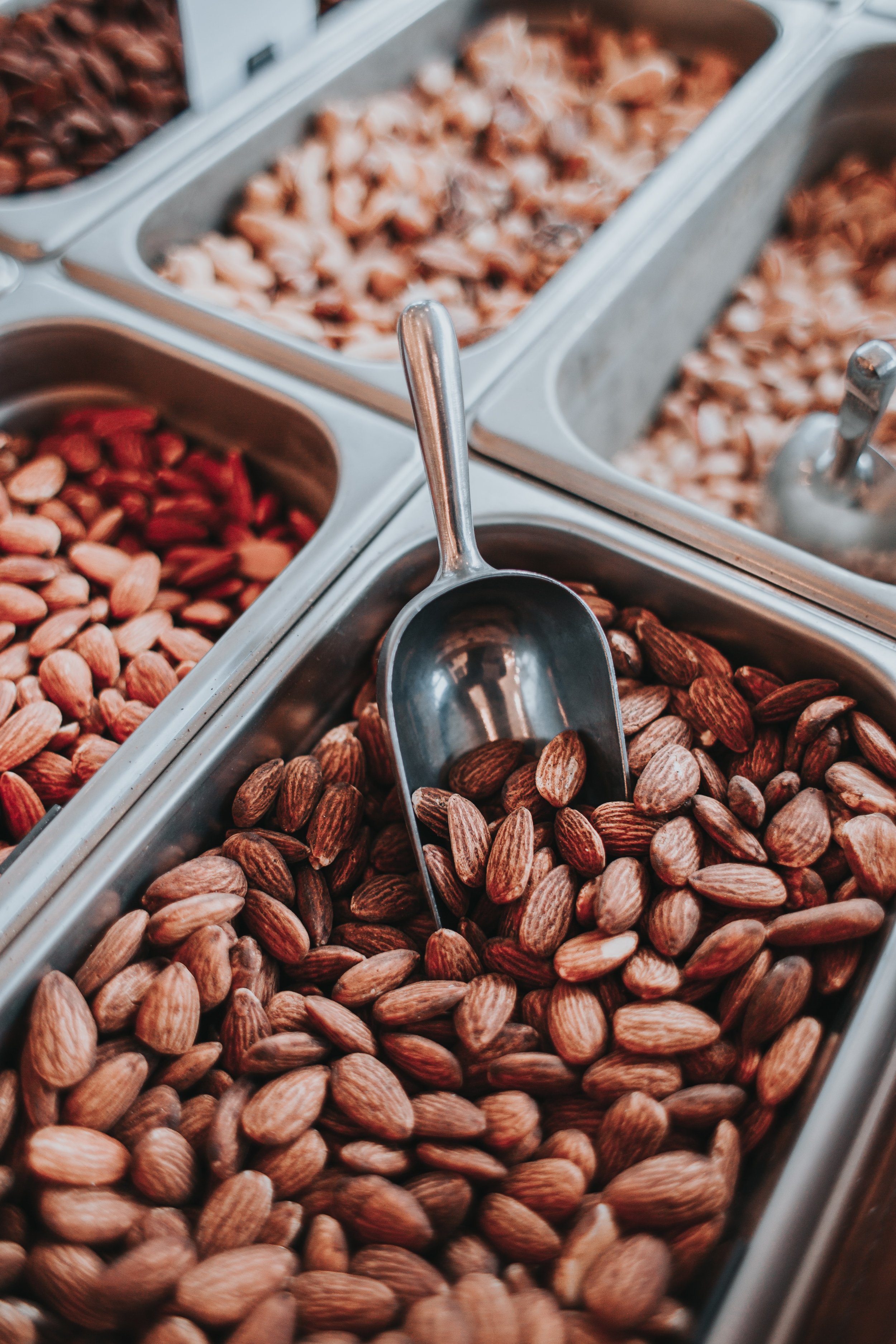
Almonds
Spinach
Black beans
Try this High Magnesium Recipe:

High magnesium spinach salad:
16oz washed spinach
16oz washed and sliced strawberries
½ cup sliced almonds
½ cup sliced red onion
1 cup feta cheese
Poppy seed dressing
¼ cup olive oil
2 Tbsp plain Greek yogurt
½ Tbsp lemon juice
½ Tbsp apple cider vinegar
2 tsp honey
2 tsp poppy seeds (add chia seeds for extra magnesium)
Dash of salt and pepper
If you are going to use a magnesium supplement, keep in mind there are different types that have slightly different effects in the body. Using a magnesium bisglycinate or glycinate is preferred for athletes.

You Might Also Like:

Tired of the same old fruit smoothie? Are you looking for more creative ideas for making nutritious smoothies? The eNRG Performance Smoothie Recipe Book contains 85 smoothie recipes and explores the use of many whole food ingredients to yield delicious and unique concoctions that can be consumed as meal replacements, snacks, or to support workout sessions.
All recipes are gluten-free and are coded for nut, soy, and dairy allergies. The recipes are supportive of metabolic efficiency principles and are appropriate for all ages and athletic abilities. Carbohydrate to protein ratios and basic nutrition data are given for each recipe to help educate you on quality smoothie making for continued good health and athletic performance.
eNRG Performance Smoothie Recipe e-Book. 102 pages. 2013. Electronic version.